
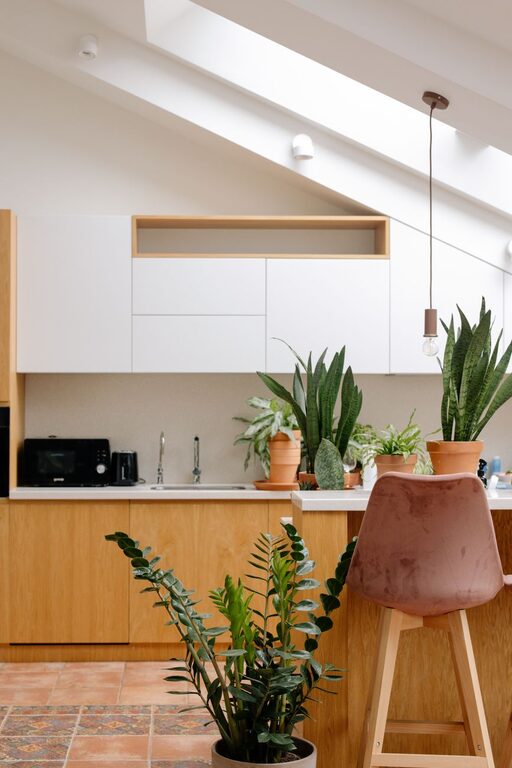
Creating an eco-friendly home is a rewarding goal that benefits both the environment and your well-being. Many people assume that going green at home requires a large investment or a complete renovation, but that’s not always the case. With thoughtful planning and simple strategies, you can make your living space more sustainable without stretching your budget. Here are some effective tips to help you create an eco-friendly home on a budget.
Why Choose an Eco-Friendly Home?
Living in an environmentally friendly home reduces your carbon footprint, saves money on utility bills, and promotes healthier living. By adopting sustainable habits and making mindful choices, you contribute to preserving natural resources and creating a better planet for future generations.
Start with Small Changes
You don’t need to overhaul everything at once. Begin with small, manageable improvements that add up over time.
1. Switch to LED Lighting
Replacing traditional incandescent bulbs with LED bulbs is one of the easiest and most cost-effective ways to reduce energy consumption. LED bulbs use up to 80% less energy and last longer, saving you money on your electricity bill and replacement costs.
2. Use Smart Power Strips
Many electronics consume energy even when turned off—a phenomenon called “phantom load.” Smart power strips or timers help cut this wasted energy by automatically shutting off devices when not in use.
3. Reduce Water Usage
Save water and lower your water bill by installing low-flow showerheads and faucet aerators. Fix leaky faucets and consider water-efficient appliances when you replace old ones.
Make Energy Efficiency a Priority
Improving your home’s energy efficiency will reduce heating and cooling costs, which make up a large portion of home energy use.
4. Insulate and Seal
Check your home for drafts around doors and windows and seal gaps with weatherstripping or caulk. Adding insulation to your attic or walls can keep your home warmer in winter and cooler in summer without high costs.
5. Use Ceiling Fans
Instead of running the air conditioner all day, use ceiling fans to circulate air. Fans use less electricity and can help maintain a comfortable temperature when used correctly.
Choose Sustainable Materials and Products
When making home improvements or buying household items, opt for eco-friendly materials that are durable and non-toxic.
6. Shop Secondhand or DIY
Buying used furniture, decor, and appliances helps reduce waste and saves money. DIY projects like repainting or refurbishing old items give them new life and keep them out of landfills.
7. Use Natural Cleaning Products
Many commercial cleaners contain harmful chemicals. Choose natural, biodegradable cleaning solutions like vinegar, baking soda, and lemon juice. They are safe, effective, and budget-friendly.
Reduce Waste and Recycle
Minimizing waste is an important aspect of an eco-friendly home.
8. Compost Organic Waste
Composting food scraps and yard waste reduces landfill trash and creates nutrient-rich soil for your garden. You can start a simple compost bin in your backyard or even a countertop compost container.
9. Practice Smart Recycling
Educate yourself on your local recycling rules to ensure that you properly sort recyclables. Proper recycling helps conserve materials and reduces the need for new resources.
Grow Your Own Green Space
Even small green spaces like windowsills or balconies can make a difference.
10. Start a Container Garden
Growing herbs, vegetables, or houseplants indoors or on a balcony improves air quality and provides fresh produce. Starter plants or seeds are inexpensive and rewarding to cultivate.
11. Use Native Plants Outdoors
If you have a yard, plant native species that require less water and maintenance. Native plants support local wildlife and fit better with your region’s climate.
Stay Informed and Involve Your Household
Sustainability is a lifestyle.
– Educate family members about energy-saving habits such as turning off lights, unplugging devices, and conserving water.
– Monitor your utility bills to track progress and motivate further improvements.
– Explore community programs like energy audits, recycling events, or bulk purchasing groups to save money and increase your impact.
Final Thoughts
An eco-friendly home doesn’t have to come with a big price tag. Small steps like switching bulbs, conserving water, sealing drafts, and recycling add up to significant benefits for both your wallet and the environment. By embracing sustainability gradually and creatively, you can enjoy a greener home that reflects your values and supports a healthier planet. Start where you are, and you’ll be surprised how much difference a few budget-friendly changes can make.