
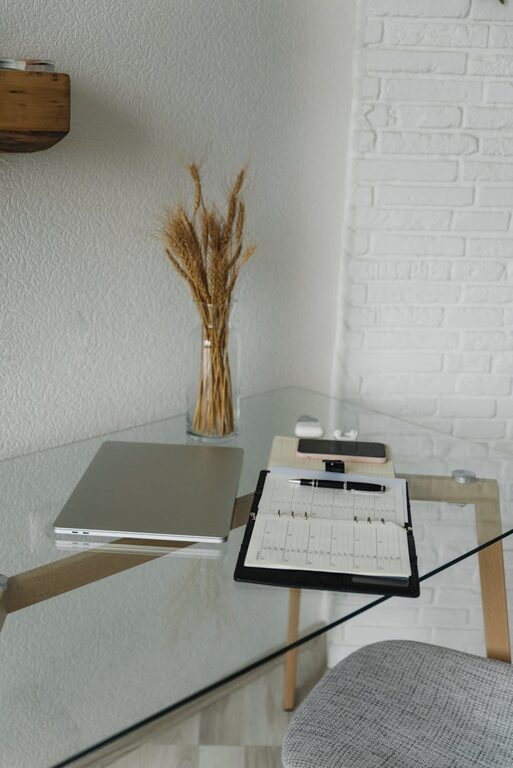
Creating an organized and comfortable home office can make a big difference in your workday. When your workspace is tidy and thoughtfully arranged, you can focus better, reduce stress, and get more done. Whether you have a dedicated room or just a small corner for work, these simple tips will help you design an office that supports productivity and comfort.
Why Organizing Your Home Office Matters
A cluttered or uncomfortable space can distract you and lower your efficiency. When your desk is covered with random papers or cords are tangled, it takes extra time and energy to get started. On the other hand, an organized office encourages a clearer mind and a smoother workflow. Comfort is equally important, as the right chair and lighting help prevent fatigue and discomfort during long work hours.
Start With Decluttering
Clear Your Surfaces
Begin by removing everything from your desk and shelves. Sort items into three piles: keep, toss, and relocate. Only keep essential office supplies and frequently used equipment within arm’s reach. This sense of order immediately creates a calmer environment.
Manage Paperwork
Paper clutter is a common challenge. Invest in a simple filing system or use digital tools to scan and organize documents. Label folders clearly and keep them in a drawer or file cabinet to avoid piles building up again.
Optimize Your Desk Layout
Keep Essentials Close
Arrange your most-used items—computer, notepad, pens, and phone—within easy reach to reduce interruptions and movements. Less reaching means more focus and comfort.
Use Vertical Space
Shelves, wall-mounted organizers, or pegboards free up desk space and keep things visible. Hanging calendars, whiteboards, or inspirational notes can boost creativity and keep you on track.
Cable Management
Tangled cords are distracting and can damage equipment. Use cable organizers, clips, or sleeves to keep wires neat and out of sight.
Choose Comfortable and Functional Furniture
Find the Right Chair
Your chair should support your back and promote good posture. Adjustable height and lumbar support are helpful features to look for.
Desk Height and Size
Choose a desk that fits your space and work style. You need enough surface area for your equipment but don’t overcrowd it. Standing desks or adjustable desks can offer flexibility.
Lighting Matters
Maximize Natural Light
Position your desk near a window if possible. Natural light reduces eye strain and lifts your mood.
Add Task Lighting
Use a desk lamp with adjustable brightness to avoid glare on screens and provide focused light for reading or writing.
Personalize With Purpose
Add Plants
Greenery improves air quality and creates a calming atmosphere.
Include Motivational Items
A few personal touches such as photos, artwork, or quotes can inspire you without creating distractions.
Establish Organization Systems
Daily Tidying Routine
Spend a few minutes at the end of each workday tidying your workspace. This habit keeps clutter from piling up.
Use Storage Containers
Bins, trays, and drawer dividers help categorize small items like paper clips, sticky notes, and chargers.
Maintain Work-Life Balance
Separate Work and Relaxation Zones
If possible, designate your office as a workspace only. Avoid bringing work materials into living areas to help mentally switch off after work hours.
Set Boundaries
Organizing your office can also mean establishing clear start and end times for work, helping maintain balance and focus.
—
Organizing your home office doesn’t have to be complicated or expensive. With a little effort and consistency, you can create a welcoming and efficient workspace that supports both productivity and comfort. Start small, and enjoy the benefits of a well-organized office every day.