
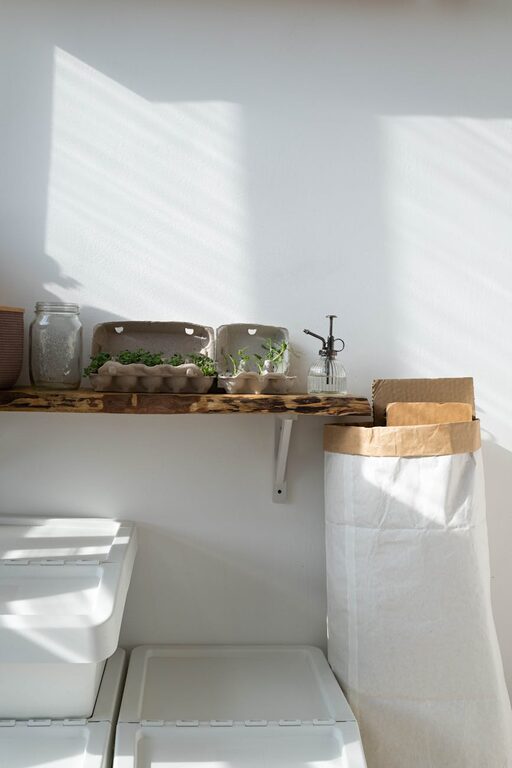
Creating a sustainable and eco-friendly home environment is a rewarding goal that benefits both you and the planet. Small changes in how you design, build, and maintain your living space can make a big difference over time. Whether you’re starting fresh or looking to improve your existing home, these tips will guide you toward greener living.
Understanding Sustainability at Home
Sustainability means meeting our current needs without compromising the ability of future generations to meet theirs. In a home context, this involves conserving resources like energy and water, reducing waste, and using materials that are safe for the environment.
Why Create an Eco-Friendly Home?
An eco-friendly home can:
– Lower your utility bills
– Reduce your carbon footprint
– Improve indoor air quality
– Support environmental conservation
– Increase the value of your property
With these benefits in mind, let’s explore practical ways to make your home more sustainable.
Energy Efficiency: Power Your Home Responsibly
One of the biggest impacts you can make is reducing energy use.
Upgrade to Energy-Efficient Appliances
Look for appliances marked with the ENERGY STAR label. These devices use less electricity and perform just as well, saving money and resources.
Switch to LED Lighting
LED bulbs consume up to 75% less energy and last much longer than traditional incandescent bulbs.
Insulate and Seal Your Home
Proper insulation and sealing windows and doors help keep your home comfortable year-round while lowering heating and cooling costs.
Use Renewable Energy Sources
Consider installing solar panels or buying green energy from your utility provider to reduce reliance on fossil fuels.
Water Conservation: Use Wisely and Reduce Waste
Water is precious, and conserving it in your home helps preserve this vital resource.
Install Low-Flow Fixtures
Low-flow showerheads, faucets, and toilets reduce water usage without sacrificing performance.
Collect Rainwater
Set up rain barrels to collect water for gardening and outdoor cleaning tasks.
Repair Leaks Promptly
Even small leaks waste significant water over time, so fix dripping faucets and running toilets promptly.
Choose Sustainable Materials and Furnishings
Selecting eco-friendly materials reduces waste and pollution.
Opt for Natural and Renewable Materials
Use bamboo, cork, reclaimed wood, or recycled materials instead of synthetic products.
Avoid Toxic Chemicals
Choose paints, finishes, and adhesives labeled low-VOC (volatile organic compounds) to improve indoor air quality.
Buy Secondhand or Upcycled Items
Furniture and decor can often be found reused or refurbished, reducing demand for new products.
Manage Waste Effectively
Reduce, reuse, and recycle to minimize landfill contributions.
Create a Home Recycling Station
Sort your recyclables clearly and educate family members to recycle correctly.
Compost Organic Waste
Composting food scraps and yard waste reduces garbage and creates nutrient-rich soil for your garden.
Avoid Single-Use Plastics
Limit disposable items like plastic bags, utensils, and water bottles by using reusable alternatives.
Enhance Indoor Air Quality Naturally
Your home’s air quality affects your health and comfort.
Use Houseplants
Certain indoor plants can absorb pollutants and improve air quality.
Ventilate Regularly
Open windows or use exhaust fans to circulate fresh air and remove moisture.
Avoid Synthetic Fragrances
Use natural essential oils or beeswax candles instead of artificial air fresheners.
Landscape with Sustainability in Mind
Your yard and garden offer opportunities to support the environment.
Plant Native Species
Native plants require less water and maintenance while supporting local wildlife.
Create a Pollinator Garden
Provide flowers that attract bees, butterflies, and other beneficial insects.
Reduce Lawn Size
Lawns require significant water and chemicals; replacing some grass with ground cover or mulch saves resources.
Final Thoughts
Creating a sustainable and eco-friendly home is a journey that adds value to your life and protects the environment. Start with small changes you can maintain, and gradually incorporate more improvements. The effort you invest today contributes to a healthier planet for tomorrow.
Remember, sustainability isn’t about perfection—it’s about making thoughtful choices that collectively make a difference. Begin today, and enjoy the benefits of a greener home environment.