
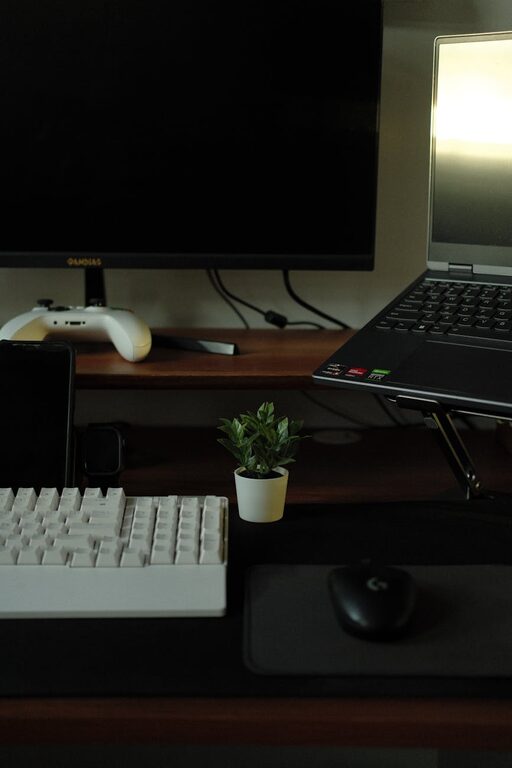
Working from home has become increasingly common, and having a dedicated, relaxing workspace can make a big difference in your productivity and wellbeing. When your home office feels comfortable and inviting, it’s easier to focus, stay motivated, and reduce stress throughout the day. If you’re looking to create a workspace that supports both relaxation and efficiency, these practical tips will help you design a setup that works for you.
Choose the Right Location
Finding the ideal spot at home is the first step. Ideally, pick a quiet area where interruptions are minimal. If possible, avoid high-traffic areas like kitchens or living rooms where family members often gather. Natural light is a big plus, so try to set up near a window to boost mood and reduce eye strain.
Invest in Comfortable Furniture
Your office furniture should prioritize comfort and ergonomics. A supportive chair with adjustable height and lumbar support helps prevent back pain. Your desk should be the right height so your arms rest comfortably while typing. If space permits, a sit-stand desk offers flexibility and encourages movement throughout the day.
Organize for Clarity and Efficiency
Clutter can cause distractions and stress. Keep your workspace organized with storage solutions like shelves, drawers, or bins to tuck away papers and supplies. Use cable organizers to manage cords and keep surfaces tidy. When everything has a place, it’s easier to maintain focus and find what you need quickly.
Use Soothing Colors and Decor
Colors impact mood and productivity. Soft, neutral tones often create a calm atmosphere, but adding accents of your favorite colors can also brighten the space and inspire creativity. Personal touches like plants, artwork, or meaningful objects make your workspace feel welcoming and uniquely yours.
Control Lighting and Reduce Glare
Good lighting is essential. Combine natural light with adjustable task lighting like desk lamps to reduce eye strain. Avoid harsh overhead lights or screens with glare by positioning your desk accordingly. Using warm light bulbs in the evening can help signal your body to wind down.
Incorporate Greenery
Adding plants to your workspace not only beautifies the area but can also improve air quality and reduce stress. Easy-to-care-for plants like succulents, pothos, or snake plants don’t require much attention and add a refreshing touch of nature.
Minimize Noise and Distractions
If noise is a challenge, consider using noise-canceling headphones or playing background sounds such as white noise or soft instrumental music. These can mask distracting noises and help you concentrate better.
Establish Boundaries and Routines
Creating a relaxing workspace goes hand in hand with maintaining a clear work-life balance. Designate your workspace as “work only” to mentally separate work from relaxation. Set specific work hours and include regular breaks for movement and rest to help sustain productivity and reduce burnout.
Add Comfort and Personal Wellness Items
Small comfort items like a cozy blanket, an essential oil diffuser, or a small water fountain can contribute to a calming environment. Don’t forget to keep water and healthy snacks nearby to stay hydrated and energized.
Keep Technology in Check
While technology is essential for work, it can also be a source of distraction. Organize your devices to minimize clutter and limit notifications to urgent matters during focused work times. Consider using apps that promote focus by blocking distracting websites or managing your schedule.
—
Creating a relaxing home workspace is about balancing comfort with efficiency. By thoughtfully designing your area with these tips, you can foster an environment that supports your productivity and wellbeing. Remember, the best workspace is one that feels pleasant and encourages you to do your best work every day.