
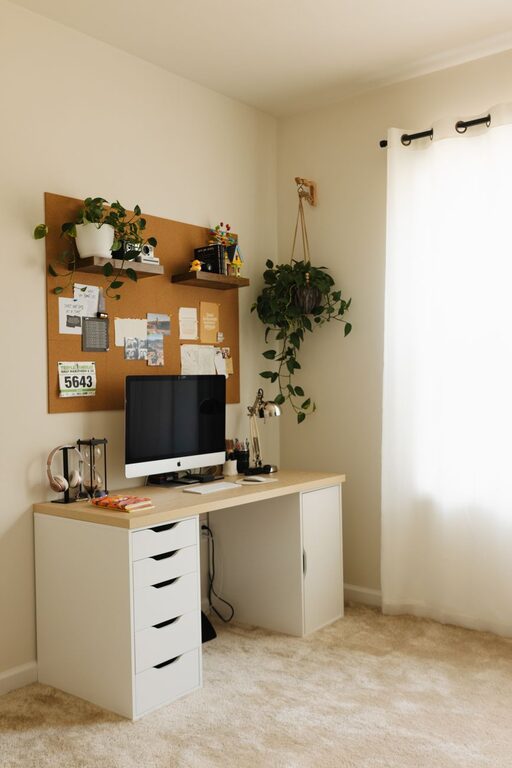
Creating a relaxing home workspace is essential for anyone working from home or spending significant time on personal projects. A well-designed environment not only helps you stay organized but also reduces stress and improves focus. In this post, we’ll explore practical tips to transform your workspace into a calm and inviting area where you can be productive and comfortable.
Why a Relaxing Workspace Matters
When your work area feels peaceful and clutter-free, your mind can focus better. A calming environment reduces distractions and helps separate work life from home life — a balance that’s especially important in a home setting.
Choose the Right Location
Start by finding the ideal spot in your home for your workspace.
– Natural Light: Pick a location near a window if possible. Natural light can improve mood and reduce eye strain.
– Quiet Area: Look for a part of your home with minimal noise and foot traffic to enhance concentration.
– Adequate Space: Ensure there’s enough room for your desk, chair, and any other tools or accessories you need.
Invest in Comfortable Furniture
Comfort is key when you’re spending hours at your desk.
– Ergonomic Chair: Choose a chair that supports your back and encourages good posture.
– Desk at Proper Height: Your desk should allow your forearms to rest comfortably parallel to the floor.
– Adjustable Furniture: Consider desks or chairs that can be adjusted for sitting or standing to promote movement.
Keep Your Workspace Organized
An organized workspace can contribute to a calm mindset.
– Declutter Regularly: Clear away unnecessary papers, supplies, or gadgets.
– Use Storage Solutions: Use shelves, drawers, and organizers to keep items out of sight but within reach.
– Cable Management: Use clips or ties to keep cords tidy and prevent a tangled mess.
Personalize Your Space Thoughtfully
Adding personal touches can make your workspace welcoming without causing distractions.
– Plants: Small indoor plants can improve air quality and add a touch of nature.
– Artwork or Photos: Choose calming images or favorite photographs to create a positive atmosphere.
– Colors: Use soft colors for decor and accessories to promote relaxation.
Control Lighting and Noise
Adjust lighting and sound to create a more comfortable workspace.
– Task Lighting: Use desk lamps with adjustable brightness for focused tasks.
– Avoid Glare: Position screens and lights to prevent reflections and eye strain.
– Noise Management: Use noise-canceling headphones or white noise machines if outside noise is an issue.
Establish Boundaries Between Work and Home
Maintaining clear boundaries helps you unwind after work.
– Separate Workspace: Keep your work area distinct from relaxation zones when possible.
– Set Work Hours: Define a schedule for starting and ending work to prevent burnout.
– Clean Up Daily: At the end of your day, tidy your workspace to signal a transition to personal time.
Incorporate Movement and Breaks
Encourage habits that refresh your body and mind during work hours.
– Stretch Regularly: Take short breaks to stretch or walk around.
– Use a Timer: Set reminders to stand or rest your eyes periodically.
– Keep Water Nearby: Staying hydrated supports focus and energy.
Use Technology Wisely
Let technology support your relaxation rather than hinder it.
– Minimize Notifications: Silence non-essential alerts during focused work time.
– Use Productivity Apps: Tools like task managers can keep you on track and reduce anxiety.
– Optimize Screen Setup: Position monitors at eye level and reduce blue light exposure.
Final Thoughts
Designing a relaxing home workspace doesn’t require a complete overhaul. Small changes, like adding plants or organizing your desk, can make a big difference in how you feel throughout your day. Prioritize comfort, organization, and boundaries to create a space where work feels manageable and your mind stays calm. With intentional setup and mindful habits, your home workspace can become a productive sanctuary.