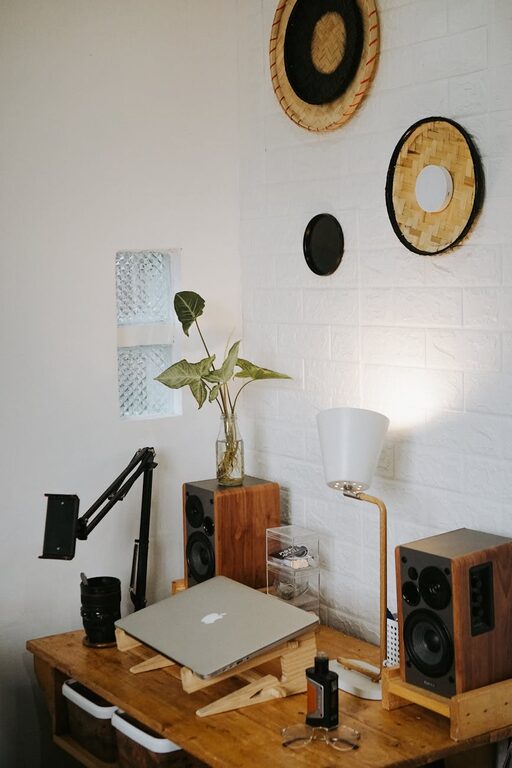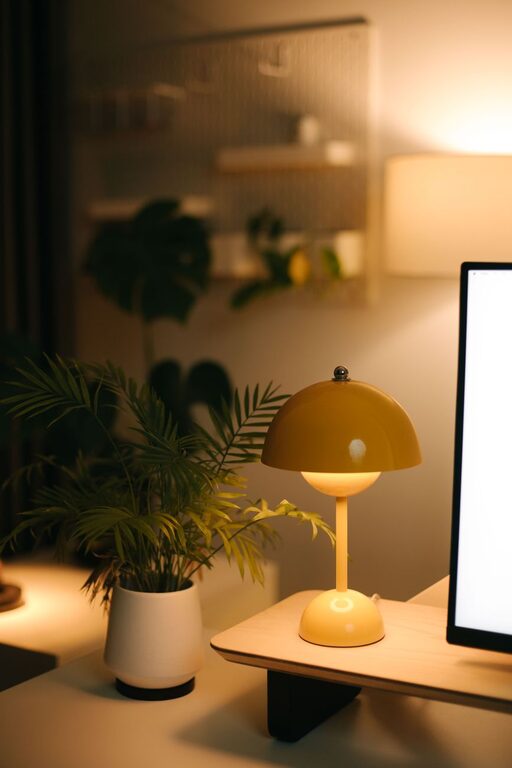

Creating an organized home office can greatly enhance your productivity and focus. When your workspace is tidy and well-arranged, it’s easier to find what you need and stay motivated throughout the day. Whether you are working remotely full-time or just occasionally, these simple tips will help you design an efficient environment that supports your best work.
Choose the Right Spot for Your Office
The first step in organizing your home office is selecting a suitable location. Ideally, your workspace should be:
– Quiet and private: A spot away from high-traffic areas reduces distractions.
– Well-lit: Natural light is best, but good artificial lighting also works.
– Comfortable: Choose a space where you can sit and work comfortably for hours.
Even a small corner or a section of a room can become an effective office if set up properly.
Declutter and Simplify Your Workspace
A cluttered desk can make it harder to focus. Here’s how to keep it clear:
– Keep only essentials on your desk: Think computer, notebook, pens, and a few frequently used items.
– Store everything else: Use drawers, shelves, or boxes to keep supplies and paperwork out of sight.
– Regularly clear your desk: At the end of each day, spend a few minutes putting things away.
Less clutter means less stress and more mental clarity.
Use Smart Storage Solutions
Good storage is essential for maintaining organization. Consider these ideas:
– Shelves and bookcases: Great for books, files, and decorative items.
– Drawer organizers: Keep small items like paper clips, cables, and stationery in order.
– Filing cabinets or boxes: Use labeled folders to categorize important documents.
– Cable management: Use clips or sleeves to keep cords neat and prevent tangling.
The goal is to make items easy to find without overwhelming your workspace.
Create a Functional Desk Layout
How you arrange your desk can impact your efficiency.
– Position your computer at eye level: This helps reduce neck and eye strain.
– Keep frequently used items within reach: This minimizes interruptions and saves time.
– Arrange desk tools logically: Group similar items to make them easier to locate.
– Leave some open space: A clear area promotes creativity and provides room to spread out work.
Your desk should support your daily tasks comfortably and efficiently.
Optimize Lighting
Proper lighting helps reduce fatigue and enhances concentration.
– Maximize natural light: Position your desk near a window if possible.
– Use adjustable task lighting: A desk lamp with adjustable brightness is helpful for evening work.
– Avoid glare: Make sure screens are positioned to avoid reflections from windows or lamps.
Good lighting contributes to a pleasant working atmosphere.
Personalize Your Space Mindfully
Personal touches can make your office enjoyable, but avoid clutter.
– Add a small plant to improve air quality and mood.
– Hang a favorite picture or motivational quote.
– Choose calming colors and decor that inspire you.
These small details can make your workspace welcoming without distracting you.
Develop a System for Paper Management
Even in digital times, paper can build up quickly. Try these habits:
– Go digital when possible: Scan or save documents electronically.
– Set up an inbox tray: Collect incoming papers in one place.
– Sort and file regularly: Schedule weekly time to organize paperwork.
– Shred or recycle unnecessary documents: Keep only what you need.
A paper management system helps reduce clutter and makes finding documents faster.
Maintain Your Workspace Daily
Organizing your home office isn’t a one-time task. Keep it productive by:
– Tidying up at the end of each day.
– Updating your to-do list or calendar.
– Checking supplies and restocking as needed.
– Adjusting the arrangement if something isn’t working.
Consistent maintenance keeps your office efficient and ready for work.
Use Technology to Stay Organized
Leverage digital tools to boost productivity:
– Task management apps: Keep track of assignments and deadlines.
– Cloud storage: Store files securely and access them anywhere.
– Calendar apps: Schedule meetings and reminders effectively.
– Note-taking apps: Quickly jot down ideas and important information.
Integrating technology with your physical setup creates a streamlined workflow.
—
By following these simple tips, you can transform your home office into an organized, productive space. Remember, an effective work environment is personal to your needs, so feel free to adapt these ideas to what works best for you. With a little planning and regular upkeep, your home office will become a place where focus, creativity, and productivity naturally thrive.